Sales and Lead Movement
The Wedding Venue Sales Funnel Explained
When the owner is still the backup plan for every unanswered question, the venue may be attractive but the business underneath it is still fragile. Eastchester connects stage-by-stage funnel clarity to the daily work behind the venue, from inquiry capture and tour flow to staff standards and owner-level decisions.
Built for Oak Ridge and the wider northwest Guilford County venue-owner market.
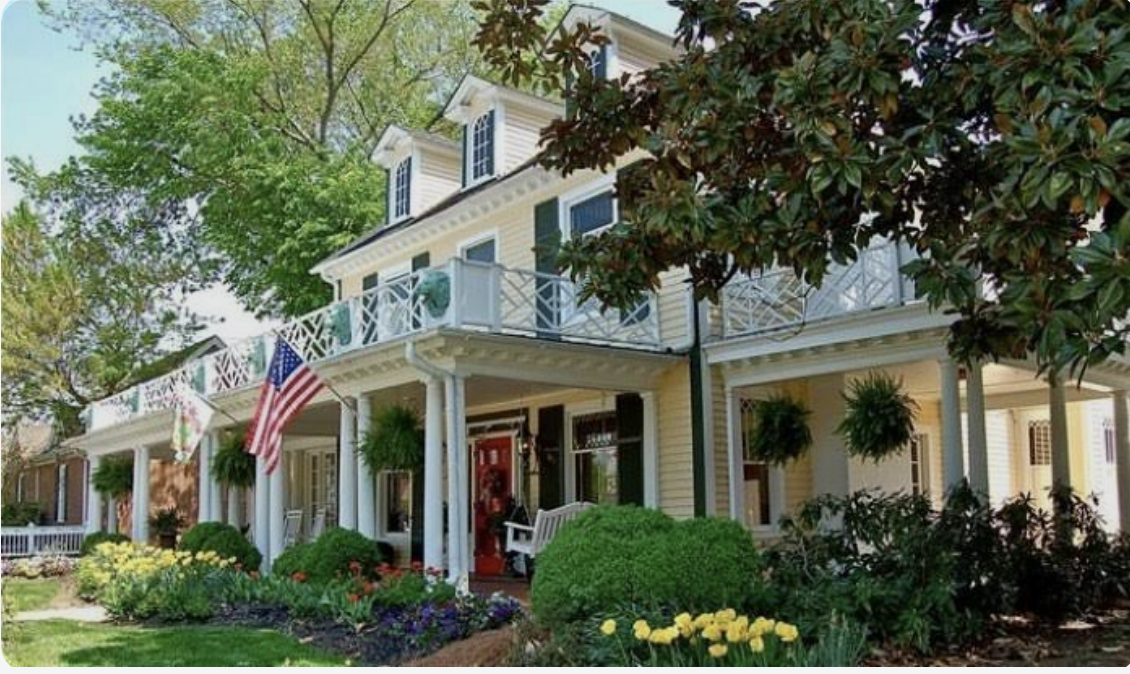
Where the lead path starts to stall
A buyer can like the venue and still hesitate when the path from inquiry to next step feels unclear. The owner needs a process that keeps that movement visible.
You built the venue to make money, not to drain your life.
Picture an owner who treats every lead as the same instead of seeing where couples drop out.
If every next step still depends on the owner remembering, chasing, explaining, or rescuing the process, the venue is not operating like a business yet. It is operating like another full-time job.
Sales gotchas that stall the buyer
Picture an owner who treats every lead as the same instead of seeing where couples drop out.
What changes when the lead path is visible
Eastchester’s mechanism is to make the hidden parts visible.
That means looking at how buyers find the venue, how inquiries are captured, how tours are guided, how packages are explained, how staff and vendors are coordinated, and how the owner knows what is working.
The result is a map from inquiry to tour to proposal to booking, with accountability at each step, not just another list of recommendations.
The Wedding Venue Sales Funnel Explained is really about stage-by-stage funnel clarity: helping an owner who treats every lead as the same instead of seeing where couples drop out move from scattered effort to a map from inquiry to tour to proposal to booking, with accountability at each step.
Picture an owner who treats every lead as the same instead of seeing where couples drop out.
The local layer is Oak Ridge in the northwest Guilford County, where property-led appeal, estate-style expectations, and buyers needing a clearer reason to choose the setting; lead ownership, CRM visibility, response status, tour movement, and whether the owner can see the pipeline without chasing people changes what the owner has to prove before a buyer, staff member, or vendor fully trusts the process.
In Oak Ridge, local venue owners need guidance tied to their market. Oak Ridge and northwest Guilford venues often sell an atmosphere first: space, privacy, setting, and a more intentional pace.
The sales language has to convert that feeling into a practical buyer reason, with clear support, next steps, and confidence after the first inquiry.
This guide makes the funnel visible: search, inquiry, first response, tour, proposal, follow-up, contract, event day, and review.
It follows what should happen before the inquiry, after the first response, during the tour, after the proposal, before the event, and after the client experience is complete.
The focus is conversion: turning interest into movement instead of letting a promising buyer drift after a weak next step.
The angle is timing: where momentum gets lost, where owners usually intervene too late, and how a better rhythm can protect both the buyer experience and the owner’s attention.
Sales movement framework: Build stage-by-stage funnel clarity into the venue business
Diagnose
Find the exact place where stage-by-stage funnel clarity is breaking down instead of treating every symptom as the same problem.
Clarify
Turn the owner’s knowledge into language, standards, and next steps that buyers and team members can follow.
Connect
Link visibility, CRM, sales, hospitality, and operations so the venue does not improve in isolated pieces.
Tighten
Review what actually happens after inquiries, tours, proposals, events, and reviews so the system keeps getting sharper.
Eastchester operating lens
Turn the beautiful property into a bookable business system.
Eastchester’s mechanism is to make the hidden parts visible.
That means looking at how buyers find the venue, how inquiries are captured, how tours are guided, how packages are explained, how staff and vendors are coordinated, and how the owner knows what is working.
The result is a map from inquiry to tour to proposal to booking, with accountability at each step, not just another list of recommendations.
Oak Ridge market context
Eastchester connects this search pressure to a practical business path: clearer language, stronger follow-up, better visibility, and a next step the owner can manage.
In Oak Ridge, local venue owners need guidance tied to their market. Oak Ridge and northwest Guilford venues often sell an atmosphere first: space, privacy, setting, and a more intentional pace. The sales language has to convert that feeling into a practical buyer reason, with clear support, next steps, and confidence after the first inquiry. This guide makes the funnel visible: search, inquiry, first response, tour, proposal, follow-up, contract, event day, and review.
property-led appeal, estate-style expectations, and buyers needing a clearer reason to choose the setting; lead ownership, CRM visibility, response status, tour movement, and whether the owner can see the pipeline without chasing people
- Oak Ridge wedding venue management
- Oak Ridge event venue operations
- Oak Ridge venue lead follow-up
- the wedding venue sales funnel explained
Why Eastchester treats this as an operating issue
The proof is a venue owner who can explain the business faster, see the pipeline more clearly, protect the guest experience more consistently, and make better decisions before pressure turns into chaos.
Guests notice when a venue has calm handoffs and a team that knows what comes next.
Hospitality standard
Decision clarity
What the owner is really deciding
The first leak is usually speed plus ownership
The Wedding Venue Sales Funnel Explained should be handled as a venue business-system question. When a venue lead is not claimed quickly, the buyer starts judging the business before anyone has explained the value. The issue is not only response time; it is whether the next step is owned, documented, and followed through.
Silence after interest is a system problem
A couple can like the venue and still drift away when the follow-up rhythm is unclear. Repeated silence usually points to weak reminders, missing templates, no visible lead owner, or no standard for what happens after the first reply. The hidden risk is letting the same friction repeat under a new label instead of fixing the path where it begins.
Eastchester turns follow-up into a visible path
The fix should show when the lead arrived, who replied, what was promised, what should happen next, and when the owner should review stuck opportunities.
Distinct page intent
Make the page specific to this decision
What this search implies
The Wedding Venue Sales Funnel Explained points to a specific lead response problem, not a general venue-growth topic.
What this venue business needs
The page has to show where the friction lives in the lead path, package path, management path, staffing path, or event-delivery path.
What should change next
The answer should leave the owner with a visible next step: assign it, document it, track it, train it, or review it.
Operating guidance
How Eastchester separates symptoms from systems
A beautiful venue earns attention. A clear business system turns that attention into trust, bookings, reviews, and owner freedom.
That is the reason this topic belongs inside a bigger venue management conversation instead of being treated as an isolated tip.
Venue path
Where this improvement shows up in the business
Buyer-path education
How buyers experience the issue from the outside
- A venue owner can have demand and still lose revenue when inquiry response, tour follow-up, proposals, and event handoffs are not connected.
- The first question is not whether the venue is attractive. The first question is whether buyer interest moves through a visible sales and operating path.
- A useful system shows who owns the lead, what was promised, what happens next, and where the owner should look before money leaks away.
- The best fix usually combines message clarity, follow-up rhythm, staff standards, review points, and a way for the owner to see the business without rescuing every detail.
Practical checklist
Five checks before this becomes another repeat problem
- What should be answered on the website?
- What should be answered before the tour?
- What should be answered in the proposal?
- What should be answered before contract?
- What should be answered before event handoff?
Local proof
A local owner needs more than leads
More inquiries do not automatically mean more bookings. Local buyers still need quick answers, clear packages, easy next steps, and a consistent feeling that the venue is organized.
Eastchester helps turn local interest into a path the team can manage and the owner can review.
Oak Ridge owners need the same basic clarity: what buyers see first, what the team owns next, and what the owner can review without chasing every conversation.
Anti-repeat FAQ
Different questions this topic answers
How does local competition change this?
When buyers have other nearby options, slow follow-up and vague packages become more expensive because the buyer can keep comparing quickly.
What should not be left informal?
Lead response, tour preparation, proposal timing, package explanation, staffing standards, vendor handoffs, event-day responsibilities, and review requests should not be informal.
What if the owner already knows the problem?
Knowing the problem is not the same as building the path that prevents it. The improvement has to become visible and repeatable.
System check
What the team needs before the issue repeats again
A stronger venue business turns clarity into a habit: clear response, clear tour, clear package, clear handoff, clear review.
Next layer of relief
What should stop living in the owner's head next
It follows what should happen before the inquiry, after the first response, during the tour, after the proposal, before the event, and after the client experience is complete.
The focus is conversion: turning interest into movement instead of letting a promising buyer drift after a weak next step.
The angle is timing: where momentum gets lost, where owners usually intervene too late, and how a better rhythm can protect both the buyer experience and the owner’s attention.
When does The Wedding Venue Sales Funnel Explained need attention before the opportunity slips?
Venue owner FAQ
Owner questions about this topic
Why does the wedding venue sales funnel explained matter to a venue owner?
Because it points to a specific business bottleneck, not a vague improvement idea. When stage-by-stage funnel clarity is weak, the owner usually feels it through slower decisions, more interruptions, weaker follow-up, or less confidence in what is happening inside the venue.
How does this affect bookings?
Stage-by-stage funnel clarity helps remove the fog between interest and action.
Is this only a marketing problem?
No. Marketing may reveal the problem, but the fix often touches sales, CRM, packages, staffing, hospitality, operations, and owner accountability. That is why Eastchester looks at the whole venue system.
What should the owner look at first?
If that area connects to stage-by-stage funnel clarity, it is probably where clearer systems, language, or tracking will create the fastest relief.
How does local competition change this?
When buyers have other nearby options, slow follow-up and vague packages become more expensive because the buyer can keep comparing quickly.
What should not be left informal?
Lead response, tour preparation, proposal timing, package explanation, staffing standards, vendor handoffs, event-day responsibilities, and review requests should not be informal.
The venue can become less dependent on guesswork and more supported by stage-by-stage funnel clarity.
Start With the Contact Form