Problem Solving
Why Your Wedding Venue Is Getting Leads But No Tours
The property can be beautiful and still ask too much from the owner when leads, tours, follow-up, and event weekends are not tied to a real system. Eastchester helps turn visible lead management into a clearer operating system so the property is easier to sell, easier to manage, and less dependent on the owner carrying every detail.
Built for Asheboro and the wider southern Piedmont Triad venue-owner market.
Lead flow
Tour follow-up
Event systems
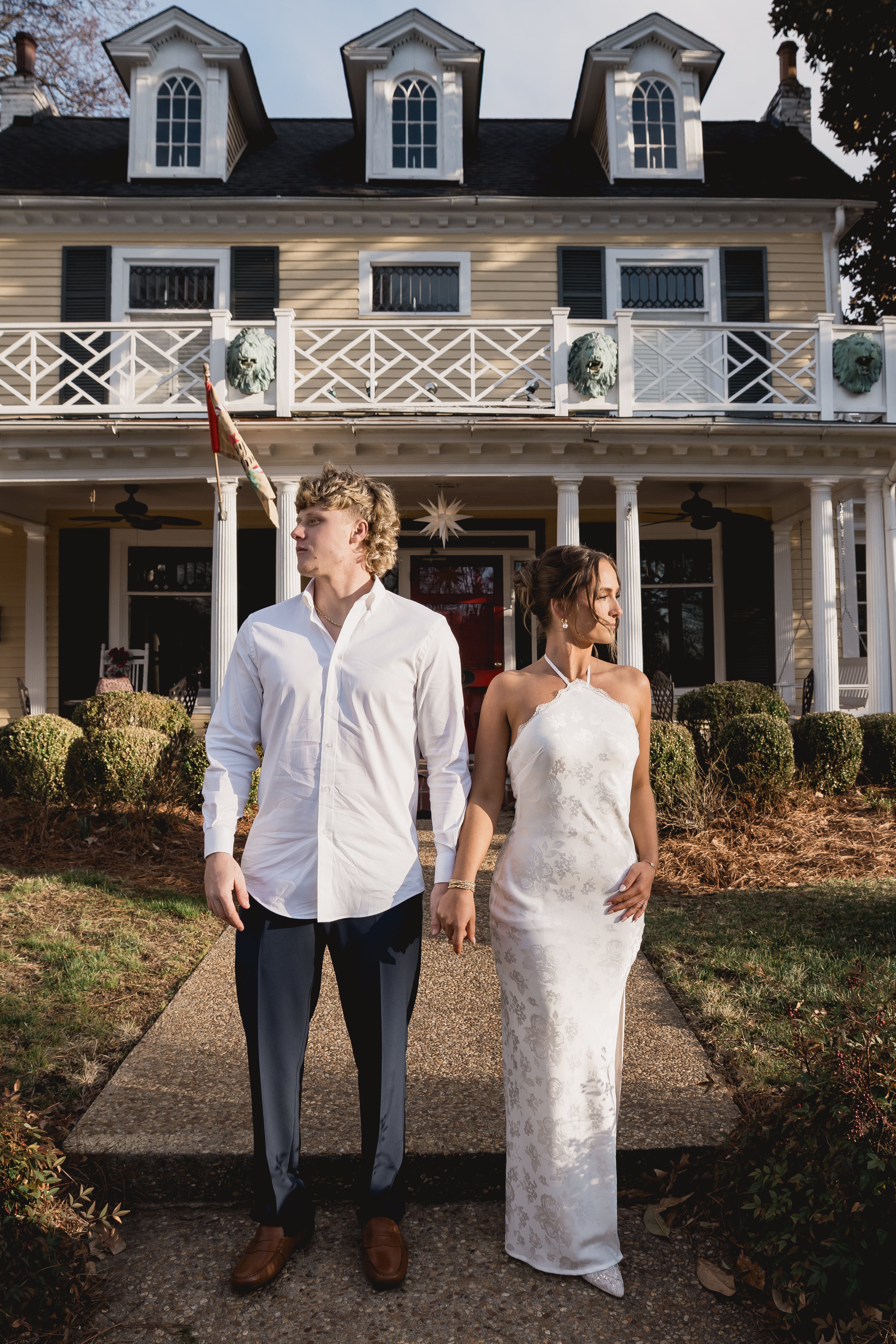
You built the venue to make money, not to drain your life.
Picture an owner who does not want to wonder where each inquiry stands.
If every next step still depends on the owner remembering, chasing, explaining, or rescuing the process, the venue is not operating like a business yet. It is operating like another full-time job.
The venue may have demand. The owner still needs a system.
What Eastchester helps make visible
Eastchester’s mechanism is to make the hidden parts visible.
That means looking at how buyers find the venue, how inquiries are captured, how tours are guided, how packages are explained, how staff and vendors are coordinated, and how the owner knows what is working.
The result is a trackable path from first interest to booked event, not just another list of recommendations.
What should feel different
The proof is a venue owner who can explain the business faster, see the pipeline more clearly, protect the guest experience more consistently, and make better decisions before pressure turns into chaos.
Watch the hidden failure points
The gotchas hiding inside this problem
Picture an owner who does not want to wonder where each inquiry stands.
The leak between interest and income
The venue should create income, freedom, and long-term value. It should not quietly turn into a second full-time job built around owner attention.
- A couple tours the property but never reaches a clear decision.
- A proposal goes out without enough urgency or follow-up rhythm.
- A lead waits because no one clearly owns the next step.
- A staff member guesses because the standard still lives in the owner's head.
- The owner gets pulled back in again instead of seeing the system work.
Owner test
If this issue is active, the owner should be able to point to where it appears in the inquiry path, the tour path, the proposal path, or the event-day handoff. If the answer is fuzzy, the problem is system visibility.
Problem-solving framework: Build visible lead management into the venue business
Diagnose
Find the exact place where visible lead management is breaking down instead of treating every symptom as the same problem.
Clarify
Turn the owner’s knowledge into language, standards, and next steps that buyers and team members can follow.
Connect
Link visibility, CRM, sales, hospitality, and operations so the venue does not improve in isolated pieces.
Tighten
Review what actually happens after inquiries, tours, proposals, events, and reviews so the system keeps getting sharper.
Eastchester operating lens
Turn the beautiful property into a bookable business system.
Eastchester’s mechanism is to make the hidden parts visible.
That means looking at how buyers find the venue, how inquiries are captured, how tours are guided, how packages are explained, how staff and vendors are coordinated, and how the owner knows what is working.
The result is a trackable path from first interest to booked event, not just another list of recommendations.
01 inquiry speed
02 tour clarity
03 proposal rhythm
04 event handoff
Asheboro market context
The topic makes the CRM problem feel emotional and practical at the same time: less guessing, fewer missed replies, clearer next steps, and a calmer view of sales activity. Eastchester connects this search pressure to a practical business path: clearer language, stronger follow-up, better visibility, and a next step the owner can manage.
In Asheboro, local venue owners need guidance tied to their market. Asheboro-area venues can win on land, views, space, and a destination feeling, but buyers still need reassurance around travel, parking, vendor coordination, staffing, and event-day flow. Strong local positioning makes the setting feel special without letting logistics become a hidden objection.
destination-feeling properties, rural logistics, and the need to make distance feel worth it; lead ownership, CRM visibility, response status, tour movement, and whether the owner can see the pipeline without chasing people
- Asheboro wedding venue management
- Asheboro event venue operations
- Asheboro venue lead follow-up
- why your wedding venue is getting leads but no tours
Why Eastchester treats this as an operating issue
The proof is a venue owner who can explain the business faster, see the pipeline more clearly, protect the guest experience more consistently, and make better decisions before pressure turns into chaos.
The right pages help a venue get found for more than its name.
Search visibility
System diagnosis
The diagnosis before the recommendation
The first leak is usually speed plus ownership
Why Your Wedding Venue Is Getting Leads But No Tours should be handled as a venue business-system question. When a venue lead is not claimed quickly, the buyer starts judging the business before anyone has explained the value. The issue is not only response time; it is whether the next step is owned, documented, and followed through.
Silence after interest is a system problem
A couple can like the venue and still drift away when the follow-up rhythm is unclear. Repeated silence usually points to weak reminders, missing templates, no visible lead owner, or no standard for what happens after the first reply. The hidden risk is letting the same friction repeat under a new label instead of fixing the path where it begins.
Eastchester turns follow-up into a visible path
The fix should show when the lead arrived, who replied, what was promised, what should happen next, and when the owner should review stuck opportunities.
Distinct page intent
Connect the topic to the full venue system
Marketing handoff
Why Your Wedding Venue Is Getting Leads But No Tours points to a specific lead response problem, not a general venue-growth topic.
Sales movement
The page has to show where the friction lives in the lead path, package path, management path, staffing path, or event-delivery path.
Event delivery
The answer should leave the owner with a visible next step: assign it, document it, track it, train it, or review it.
Delegation clarity
How Eastchester makes standards easier to hand off
The strongest answer is usually simple but not shallow: define the next step, assign the owner, document the promise, and review the result.
Eastchester applies that thinking across marketing, sales, operations, and guest experience so the venue can improve as a business, not just as a property.
Venue path
Where this improvement shows up in the business
Lead arrives
Owner or team claims it
Reply goes out
Tour or next step is offered
Stuck lead is reviewed
Hospitality education
How better systems protect the guest experience
- The operating issue is rarely one single failure. It is usually a pattern of small leaks that happen before the booking is won or after expectations are set.
- Lead notes, tour feedback, proposal terms, vendor promises, staffing expectations, and event-day standards should not live in separate informal places.
- A better process protects the buyer experience while also protecting the owner from becoming the fallback plan.
- Eastchester focuses on the connection between visibility, accountability, hospitality, sales motion, and repeatable delivery.
Practical checklist
Five checks before this becomes another repeat problem
- Which buyer expectation needs clearer framing?
- Which internal handoff needs a checklist?
- Which sales rhythm needs a deadline?
- Which service standard needs training?
- Which leadership question needs a dashboard?
Local proof
Local search should lead into a local system
When a buyer finds the venue through search, the next experience has to match the promise. Slow replies or vague answers can weaken even strong visibility.
The best local pages connect ranking, buyer questions, inquiry flow, and follow-up rhythm.
Asheboro owners need the same basic clarity: what buyers see first, what the team owns next, and what the owner can review without chasing every conversation.
Anti-repeat FAQ
Different questions this topic answers
Why do couples keep shopping after they like a venue?
They may like the property but still feel unsure about pricing, inclusions, timing, responsiveness, logistics, or the next step.
How should an owner measure improvement?
Measure response speed, tour movement, proposal timing, follow-up completion, booking conversion, review quality, and the number of owner-rescue moments.
What should be documented first?
Document the recurring promise or handoff that most often creates confusion. That is usually where the fastest relief starts.
Proof of change
What evidence should show up after the fix
The best improvement is the one the team can repeat and the owner can review. Start with the step that is leaking the most trust, time, or revenue.
Next layer of relief
What should stop living in the owner's head next
It looks at how unclear value, weak packages, slow follow-up, or operational strain can push the owner into discounts, one-off exceptions, and margin erosion.
The focus is visibility inside the sales process: who responded, what happened next, and which opportunity is still waiting for a decision.
The angle is value protection: how to explain the offer, defend the support level, and make sure the venue is not growing revenue while quietly giving away time, labor, or certainty.
How does Why Your Wedding Venue Is Getting Leads But No Tours affect margin, value perception, or discount pressure?
Venue owner FAQ
Owner questions about this topic
Why does why your wedding venue is getting leads but no tours matter to a venue owner?
Because it points to a specific business bottleneck, not a vague improvement idea. When visible lead management is weak, the owner usually feels it through slower decisions, more interruptions, weaker follow-up, or less confidence in what is happening inside the venue.
How does this affect bookings?
Visible lead management helps remove the fog between interest and action.
Is this only a marketing problem?
No. Marketing may reveal the problem, but the fix often touches sales, CRM, packages, staffing, hospitality, operations, and owner accountability. That is why Eastchester looks at the whole venue system.
What should the owner look at first?
If that area connects to visible lead management, it is probably where clearer systems, language, or tracking will create the fastest relief.
Why do couples keep shopping after they like a venue?
They may like the property but still feel unsure about pricing, inclusions, timing, responsiveness, logistics, or the next step.
How should an owner measure improvement?
Measure response speed, tour movement, proposal timing, follow-up completion, booking conversion, review quality, and the number of owner-rescue moments.
The venue can become less dependent on guesswork and more supported by visible lead management.
Start With the Contact Form